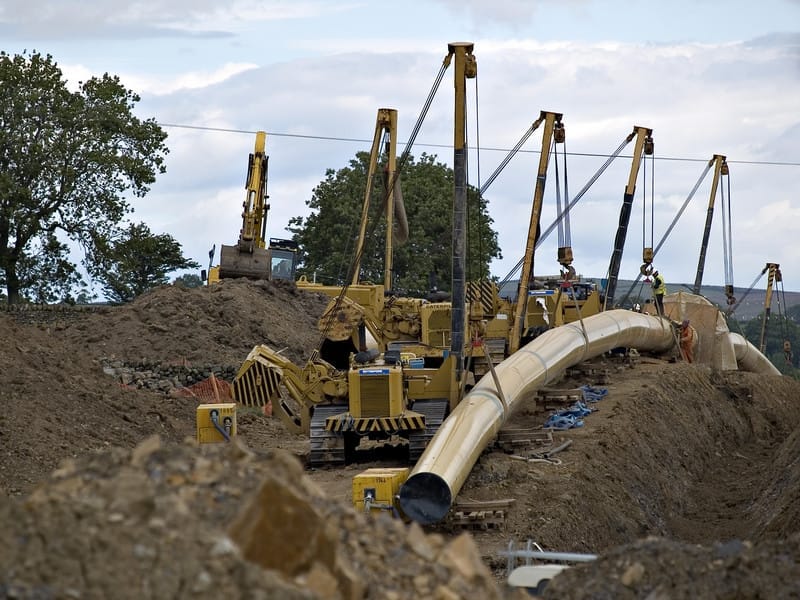
Comprar equipo de tubería usado puede ser una forma inteligente de reducir costos de capital sin sacrificar la productividad en el sitio de trabajo. Sin embargo, no todo el equipo usado es igual. Una mala compra puede generar tiempos de inactividad, costos de reparación inesperados y riesgos de seguridad que superan cualquier ahorro inicial.
Ya sea que esté buscando biseladoras, abrazaderas de alineación, rodillos para tuberías u otras herramientas para ductos, saber qué inspeccionar antes de comprar es fundamental. Esta guía detalla exactamente qué buscar para que pueda tomar una decisión segura y rentable.
Por qué las empresas compran equipo de tubería usado
El equipo usado es común en la construcción de tuberías por algunas razones clave:
- Menor costo inicial en comparación con equipo nuevo
- Disponibilidad más rápida (sin tiempos de fabricación)
- Ideal para proyectos a corto plazo o secundarios
- Oportunidad de expandir inventario con inversión reducida
Pero el ahorro solo tiene sentido si el equipo sigue siendo confiable y seguro para operar.
1. Revisar primero la condición estructural
Lo primero a inspeccionar es la condición física del chasis y la carrocería del equipo.
Buscar:
- Fisuras en soldaduras o componentes estructurales
- Óxido o corrosión excesiva
- Marcos doblados o desalineación
- Señales de daños o reparaciones por impacto
Incluso pequeños problemas estructurales pueden afectar la precisión de la alineación y la seguridad, especialmente en equipos utilizados para soldadura o manejo de tuberías.
2. Inspeccionar piezas de desgaste y consumibles
Muchas herramientas de tubería dependen de componentes que se desgastan con el tiempo. Estas piezas suelen ser las más caras de reemplazar.
Los artículos de desgaste común incluyen:
- Rodamientos y cojinetes
- Cabezales de corte o biselado
- Sellos y mangueras hidráulicas
- Mordazas o almohadillas de sujeción
Si estas piezas están muy desgastadas, ten en cuenta los costos de reemplazo en el precio total de compra.
3. Prueba de sistemas mecánicos e hidráulicos
Si el equipo está encendido, verifique siempre el rendimiento operativo.
Revisar para:
- Funcionamiento hidráulico suave (sin fugas ni caídas de presión)
- Controles y interruptores responsivos
- Rendimiento constante del motor
- Ruido o vibración inusual
Las reparaciones hidráulicas en particular pueden resultar costosas, por lo que este paso es esencial.
4. Verificar alineación y exactitud
Para herramientas de precisión como biseladoras o abrazaderas de alineación, la exactitud lo es todo.
Debes confirmar:
- Alineación adecuada bajo carga
- Sin juego o movimiento excesivo
- Distribución uniforme de la presión en los puntos de contacto
- Rendimiento repetible en múltiples ciclos
Incluso pequeños problemas de alineación pueden llevar a una mala calidad de soldadura y a retrabajos en la tubería.
5. Pregunta sobre el historial del equipo
Un vendedor confiable debería poder proporcionar un historial de uso básico.
Intenta averiguar:
- ¿Con qué frecuencia se usó el equipo?
- Ya fuera para aplicaciones de trabajo pesado o ligero
- Registros de mantenimiento y reparación
- Historial de propietarios (flota de alquiler vs. propietario único)
El equipo de una flota de alquiler en buen estado suele ser una compra más segura que el equipo de uso privado desconocido.
6. Verifique la compatibilidad con sus proyectos
No todo el equipo se adapta a todas las aplicaciones de tuberías.
Antes de comprar, confirma:
- Compatibilidad de rango de diámetro de tubería
- Peso y capacidad de carga
- Requisitos de fuente de energía (hidráulica, neumática, eléctrica)
- Condiciones del sitio de trabajo (uso en campo vs. taller de fabricación)
Equipos incompatibles pueden limitar la usabilidad y reducir el retorno de la inversión (ROI).
7. Evaluar la disponibilidad de repuestos
Uno de los factores más pasados por alto es la disponibilidad de repuestos.
Pregunta:
- ¿Todavía se fabrican piezas de repuesto?
- ¿Están fácilmente disponibles en Canadá?
- ¿Se puede hacer el servicio del equipo localmente?
Si las piezas se descontinúan, incluso una máquina en buen estado puede convertirse en un pasivo.
8. Considere la calibración y el cumplimiento de las normas de seguridad
El equipo de tubería usado aún debe cumplir con los estándares de seguridad.
Revisar para:
- Guardas de seguridad faltantes o dañadas
- Certificaciones o modificaciones desactualizadas
- Integridad del sistema de seguridad hidráulica
- Etiquetado adecuado y clasificaciones de carga
Si el equipo ha sido modificado, asegúrate de que esos cambios sean seguros y se hayan realizado profesionalmente.
9. Compare el costo total, no solo el precio de compra
Un precio inicial más bajo no siempre significa una mejor oferta.
Considera:
- Costos esperados de reparación o reacondicionamiento
- Riesgo de inactividad
- Frecuencia de mantenimiento
- Vida útil restante
A veces, una unidad usada un poco más cara y en mejor estado es la opción más rentable a largo plazo.
10. Compre de una fuente confiable
Dónde compras importa tanto como lo que compras.
Un proveedor de renombre debería ofrecer:
- Inspección o reacondicionamiento de equipos
- Reporte honesto de condiciones
- Soporte para repuestos y reparaciones
- Conocimiento de la industria y guía de aplicación
Evita las ofertas que no ofrezcan transparencia o soporte técnico.
Pensamientos finales
Comprar equipo de ductos usado puede ser una estrategia muy rentable, si se hace correctamente. La clave es mirar más allá del precio y evaluar la condición completa, la funcionalidad y la usabilidad a largo plazo del equipo.
Una inspección minuciosa y el proveedor correcto pueden marcar la diferencia entre una inversión inteligente y un error costoso.
Cómo Proline Pipe Equipment Puede Ayudar
En Proline Pipe Equipment, apoyamos a los contratistas con equipos de oleoducto nuevos, usados y de alquiler, junto con el completo servicios de reparación y renovación. Cada pieza de equipo es evaluada en cuanto a rendimiento y confiabilidad, ayudándole a evitar sorpresas costosas en la obra.
Ya sea que esté expandiendo su flota o buscando una herramienta específica, nuestro equipo puede ayudarle a encontrar el equipo que se ajuste a los requisitos de su proyecto y a su presupuesto.
 Spanish
  English
  French