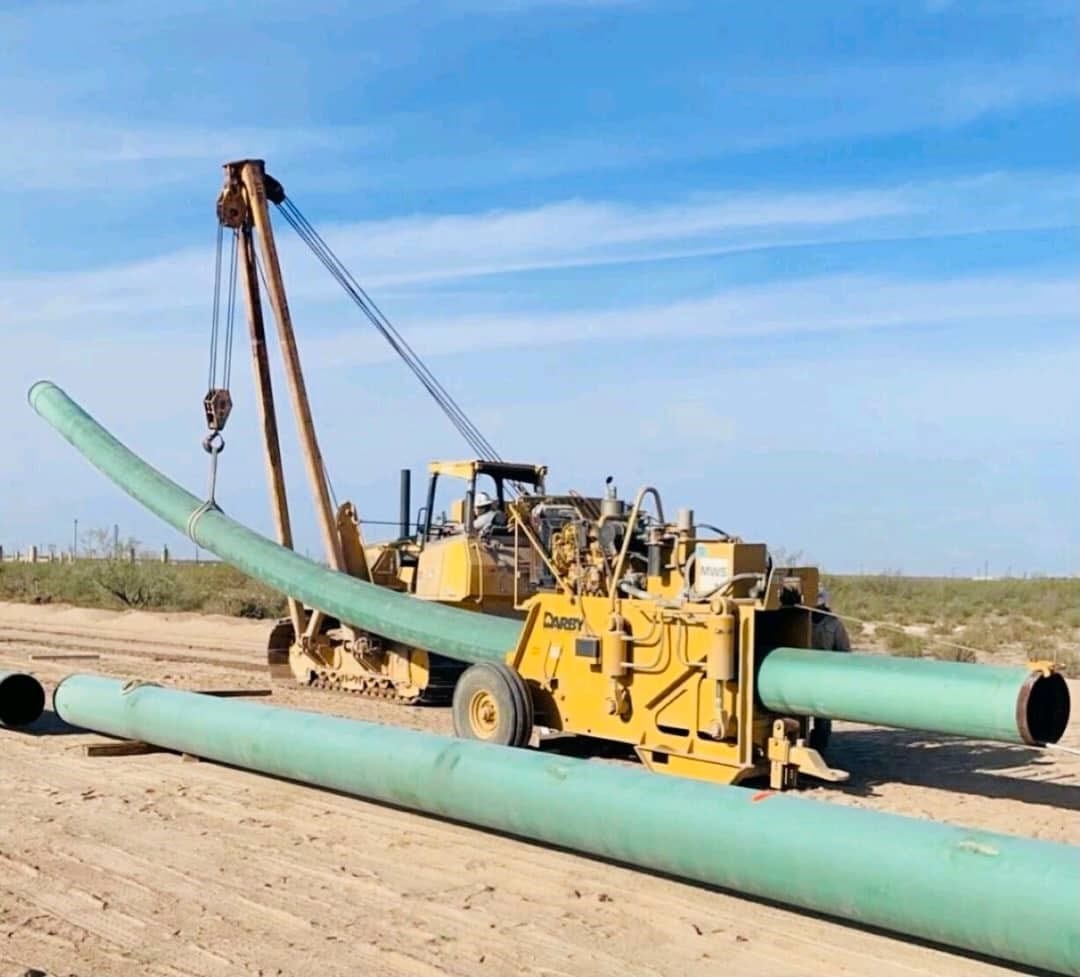
Whether you’re working on a cross-country transmission pipeline or fabricating piping for an industrial facility, proper pipe bending is critical to maintaining the integrity of the pipe and meeting project specifications. Even experienced operators can encounter issues if the equipment is improperly set up, maintained, or operated.
Understanding the most common pipe bending mistakes can help reduce costly rework, minimize downtime, and produce consistent, high-quality bends every time.
1. Using the Wrong Die Set
One of the most common causes of poor bends is selecting the wrong die set for the pipe being bent.
Each die is designed for a specific pipe diameter, wall thickness, and bend radius. Using an incorrect die can lead to wrinkles, flattening, excessive ovality, or even damage to the pipe.
How to avoid it:
- Verify the pipe’s outside diameter and wall thickness before selecting a die.
- Confirm the required bend radius in the project specifications.
- Inspect dies regularly for wear or damage.
- Never force a pipe into a die that wasn’t designed for it.
Taking a few extra minutes to verify tooling can prevent hours of rework later.
2. Skipping Equipment Inspections
Even the best pipe bending machine won’t perform properly if it hasn’t been inspected or maintained.
Hydraulic leaks, worn rollers, damaged pins, loose fasteners, or improperly calibrated components can all affect bend quality.
How to avoid it:
Perform a visual inspection before every shift, checking for:
- Fugas hidráulicas
- Damaged hoses
- Loose bolts
- Worn rollers
- Excessive play in moving components
- Proper hydraulic fluid levels
Following a preventive maintenance schedule helps keep equipment operating safely and consistently.
3. Forgetting to Use an Internal Mandrel When Required
Some pipe sizes and wall thicknesses require an internal mandrel to support the pipe during bending.
Without adequate internal support, the pipe may collapse, wrinkle, or become excessively oval, especially on tighter bend radii.
How to avoid it:
Consult the bending specifications to determine whether an internal mandrel is required for your application. Using the correct mandrel helps maintain the pipe’s internal diameter and reduces the likelihood of deformation.
4. Incorrect Bend Calculations
Accurate measurements are just as important as the bending equipment itself.
Small errors in bend calculations can result in field fit-up problems, wasted material, and costly delays.
Common calculation mistakes include:
- Incorrect bend allowance
- Miscalculating tangent lengths
- Failing to account for springback
- Using incorrect centerline radius values
How to avoid it:
Double-check all measurements before bending and verify calculations against project drawings or engineering specifications.
Whenever possible, perform a test bend before beginning production.
5. Ignoring Springback
Most steel pipe will spring back slightly after the bending force is released.
If springback isn’t considered, the finished bend angle may not meet specifications.
How to avoid it:
Operators should understand the expected springback for the material being bent and compensate accordingly during the bending process.
Experience, proper machine calibration, and test bends all help improve accuracy.
6. Bending Too Quickly
Trying to speed up production by increasing bending speed can negatively affect bend quality.
Rapid bending may place unnecessary stress on the pipe, reduce control over the process, and increase the risk of defects.
How to avoid it:
Operate the machine at the recommended speed and maintain consistent hydraulic pressure throughout the bend. Controlled, even movement generally produces better results than rushing the operation.
7. Poor Pipe Alignment
If the pipe is not properly aligned before bending, the finished bend may twist or fail to match the intended orientation.
This often leads to additional handling, rework, or scrapped material.
How to avoid it:
- Ensure the pipe is properly centered.
- Verify alignment before applying pressure.
- Secure the pipe according to the manufacturer’s recommendations.
- Confirm reference marks are correctly positioned.
8. Neglecting Lubrication
Many moving components rely on proper lubrication to reduce friction and wear.
Dry pins, rollers, bearings, and pivot points increase resistance and accelerate component wear.
How to avoid it:
Follow the manufacturer’s lubrication schedule and use the recommended lubricants for each component.
Routine lubrication extends equipment life while helping maintain smooth, consistent operation.
9. Operating With Worn Components
Over time, dies, rollers, pins, bushings, and hydraulic components naturally wear.
Worn components reduce bending accuracy and increase the likelihood of inconsistent results.
How to avoid it:
Inspect wear items regularly and replace them before they affect production quality. Preventive replacement is almost always less expensive than repairing damaged pipe or experiencing unexpected downtime.
10. Not Training Operators Properly
Modern pipe bending equipment is designed to improve productivity, but proper training remains essential.
Many bending defects can be traced back to incorrect machine setup or operator error rather than equipment failure.
How to avoid it:
Ensure operators receive hands-on training, understand the machine’s operating procedures, and are familiar with project requirements before beginning work.
Experienced operators consistently produce higher-quality bends while helping maximize equipment life.
Pensamientos finales
Producing accurate, repeatable pipe bends requires more than simply operating a machine. Proper tooling selection, routine maintenance, accurate measurements, and trained operators all play an important role in achieving high-quality results.
By avoiding these common mistakes, contractors can reduce material waste, improve productivity, and keep projects on schedule.
At Proline Pipe Equipment, we supply and support a wide range of pipe bending machines, die sets, internal mandrels, and related pipeline equipment to help contractors complete demanding projects safely and efficiently. Whether you’re purchasing equipment or looking for a rental solution, our team can help you select the right tools for your application.
 Spanish
  English
  French