Why Choosing the Right Pipeline Coating Repair System Matters
Pipeline coatings protect steel pipe from corrosion, moisture, chemicals, and environmental exposure. During transportation, handling, welding, installation, and construction, however, coatings can become scratched, gouged, chipped, or otherwise damaged.
When the protective coating is compromised, exposed steel can become vulnerable to corrosion. The appropriate repair restores protection while helping maintain the integrity of the original coating system.
Not every type of damage requires the same repair material. A small scratch on a fusion-bonded epoxy (FBE) coating may call for a different solution than damage to a polyethylene coating or a field joint exposed to demanding environmental conditions.
Choosing the right pipeline coating repair system means considering the existing coating, the size and location of the damage, application conditions, and the requirements of the project. Selecting a material simply because it is readily available can lead to poor adhesion, incomplete coverage, or premature failure.
1. Identify the Existing Pipe Coating
The first step is to identify the original coating system. Repair materials must be compatible with the existing coating and the intended service conditions.
Common pipeline coating systems include the following.
Fusion-Bonded Epoxy (FBE)
FBE is a thermosetting powder coating commonly applied to steel pipe to provide corrosion protection. It is widely used on pipeline exteriors and in some internal coating applications.
Repairs to FBE-coated pipe may involve manufacturer-approved liquid epoxy products, patch materials, or other qualified repair systems. The appropriate choice depends on the damage, the original coating specification, and the required performance.
Surface preparation and application procedures are particularly important for achieving suitable adhesion.
Three-Layer Polyethylene and Polypropylene Coatings
Three-layer polyethylene (3LPE) and polypropylene (3LPP) systems combine an epoxy primer, an adhesive layer, and an outer polymer layer. These systems are designed to provide corrosion protection and mechanical resistance.
Damage may affect only the outer layer or extend through multiple layers to the steel. A repair must account for the extent of the damage and restore the required protective functions.
Depending on the approved repair procedure, suitable materials may include compatible polymer repair products, patch systems, or other qualified coating solutions.
Liquid Epoxy and Polyurethane Coatings
Liquid-applied epoxy and polyurethane coatings are used in various pipeline applications, including field joints and selected repair situations.
Their repair requirements depend on the product formulation, existing coating, cure conditions, and specified film thickness. A compatible repair material should be selected according to the manufacturer’s technical documentation and the project requirements.
Field Joint Coatings
Field joint coatings protect the areas around pipe joints after welding. Depending on the pipeline system, these may include heat-shrink sleeves, liquid-applied coatings, or other qualified systems.
A damaged field joint coating requires particular attention because the repair must integrate with the existing coating and protect the joint area. The repair method should follow the applicable field joint coating specification rather than relying on a generic patching approach.
2. Assess the Type and Severity of the Damage
Once the original coating has been identified, determine the extent of the damage. The repair method should address the actual defect rather than just its visible surface appearance.
Minor Scratches and Abrasion
Shallow scratches and abrasion may affect only the outer coating layer. If the underlying protective layers remain intact, a localized repair may be sufficient.
However, the apparent depth of a scratch can be misleading. Inspect the damaged area to determine whether the coating has been breached and whether steel is exposed.
Gouges and Deep Mechanical Damage
Gouges caused by lifting equipment, pipe handling, or contact with hard surfaces can remove substantial coating material. Damage may extend through several layers or expose the steel substrate.
These defects may require more extensive surface preparation and a repair system designed to restore the necessary coating thickness and protection.
Holidays and Pinholes
Holidays are discontinuities in a coating that expose the underlying substrate or interrupt the protective barrier. Pinholes and small voids can be difficult to identify visually.
Where appropriate for the coating system, holiday detection can help locate defects that are not readily visible. The inspection method and test voltage must be suitable for the coating type and thickness to avoid damaging an otherwise sound coating.
Disbondment, Blistering, and Widespread Failure
Blistering, peeling, or disbondment may indicate a more extensive problem than isolated mechanical damage. Possible causes include poor surface preparation, contamination, application defects, moisture, or incompatibility between coating layers.
These conditions should be evaluated before repairs begin. Simply covering a loose or failing coating may trap the underlying problem and lead to further deterioration.
If damage is widespread or the original coating has lost adhesion, a larger repair or a more comprehensive remediation plan may be necessary.
3. Consider the Application Environment
The environment in which the repair will be performed can significantly affect material selection and application quality.
Temperature
Repair products have specified application and curing temperature ranges. Cold conditions can slow curing and affect handling, while excessive heat may shorten working time or alter application characteristics.
Check the manufacturer’s requirements for both the material and the pipe surface. If temperatures fall outside the permitted range, the work may require environmental controls or a different approved product.
Moisture and Humidity
Moisture on the steel or existing coating can interfere with adhesion and contribute to coating defects. Some products tolerate certain levels of humidity or damp conditions, but this should never be assumed.
Surface dryness, dew point considerations, and other environmental limits should be assessed according to the selected repair system’s instructions.
Field Conditions and Accessibility
Repairs performed in a controlled workshop may allow more consistent preparation and curing conditions than repairs carried out in the field.
On a pipeline construction site, access to the damaged area, available preparation tools, curing time, and weather can influence the choice of material. These practical factors matter, but convenience should not override the coating specification or technical requirements.
4. Check Compatibility and Adhesion Requirements
A repair material must be compatible with the original coating system. Using an incompatible product can lead to poor bonding between layers, inadequate sealing, or premature separation.
Before choosing a repair system, verify:
- Compatibility with the original coating and any exposed intermediate layers.
- Suitability for the intended service environment.
- Required surface preparation and application procedures.
- Minimum and maximum application thicknesses, where specified.
- Curing time and any restrictions on handling, backfilling, or immersion.
- Qualification or approval requirements established by the owner, engineer, or coating specification.
Do not assume that two products are compatible simply because they are both designed for corrosion protection. Confirm the manufacturer’s recommendations and any project-specific approval requirements before application.
5. Match the Repair System to the Job
Several types of coating repair materials are used in pipeline construction. The most suitable option depends on the coating, the damage, and the approved repair procedure.
Liquid-Applied Epoxy Repair Materials
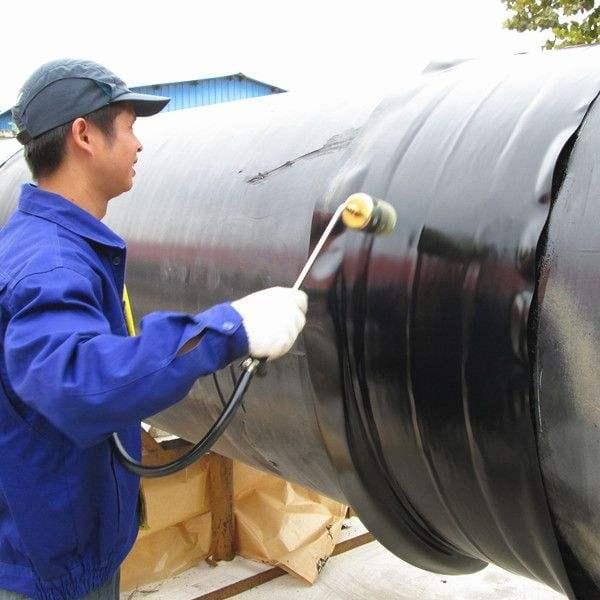
Liquid epoxy products may be suitable for localized repairs to compatible coating systems, including certain FBE applications.
They can be useful where the repair needs to conform to a prepared surface or restore a protective coating over a relatively small area. Surface preparation, mixing, film thickness, and curing must follow the product instructions.
Not every liquid epoxy is suitable for every original coating, so confirm the specific product’s intended application.
Heat-Shrink Repair Sleeves
Heat-shrink sleeves are used in certain field joint coating applications and other approved repair situations. When correctly specified and installed, they can provide a protective covering over the joint or damaged area.
The selected sleeve must be compatible with the original coating system, pipe dimensions, and service requirements. Installation typically requires controlled heating and careful preparation to achieve the specified bond and coverage.
Heat-shrink sleeves are not a universal solution for every type of coating damage.
Polymer-Based Patch and Repair Systems
Polymer-based patches and specialized repair products may be suitable for certain polyethylene or polypropylene coating systems, depending on the manufacturer and qualification requirements.
These systems can be useful where a repair needs to restore the outer protective layer or address damage across multiple coating layers. The correct product and preparation method depend on the original coating construction and the depth of the defect.
Other Qualified Coating Repair Systems
Some projects use specialized liquid coatings, tapes, mastics, or other repair materials for defined applications. Their suitability depends on the original coating, service environment, and applicable specifications.
For example, a product suitable for a small localized repair may not be appropriate for a large damaged area or a field joint. Always verify that the selected system is approved for the intended use.
6. Consider the Required Inspection and Quality Controls
Selecting a repair material is only part of the process. The completed repair must also meet the relevant quality requirements.
Depending on the project specification and coating system, inspection may include visual examination, dry film thickness measurement, adhesion testing, or holiday detection.
Visual inspection can identify incomplete coverage, irregular edges, contamination, and other visible defects. Thickness measurements help verify that the repaired area meets the specified coating thickness where applicable. Holiday detection may identify discontinuities in compatible nonconductive coatings, provided the test method and settings are appropriate.
Not every inspection method is suitable for every coating system or repair material. Testing should follow the applicable procedure and manufacturer’s recommendations.
Repair records should identify the damaged area, the materials used, the surface preparation performed, application conditions, and inspection results where required. Traceable documentation helps demonstrate compliance with project requirements and supports future maintenance.
For more detail, read our related article, [Pipe Coating Inspection: Methods and Common Defects].
7. Common Mistakes When Choosing a Coating Repair System
Several avoidable mistakes can reduce the effectiveness of a pipeline coating repair.
Choosing a material based only on price or availability. A readily available product may not be compatible with the original coating or approved for the application.
Underestimating the extent of the damage. A defect that appears superficial may extend through multiple coating layers or expose the steel.
Ignoring surface preparation. Contamination, moisture, loose coating, or inadequate surface preparation can compromise adhesion even when the repair material is appropriate.
Overlooking environmental limits. Applying a product outside its permitted temperature, humidity, or curing conditions can affect the finished repair.
Skipping inspection. A repair that looks acceptable may still contain discontinuities, inadequate thickness, or other defects that require further attention.
Failing to follow project specifications. Pipeline coating systems may have specific qualification, repair, and inspection requirements. Generic recommendations should not replace the approved procedure.
Avoiding these mistakes starts with identifying the original coating, assessing the damage accurately, and confirming that the selected repair system meets the required technical criteria.
8. A Practical Checklist for Selecting a Pipeline Coating Repair System
Before purchasing or applying repair materials, confirm the following:
- Identify the original coating system and manufacturer, where known.
- Determine whether the damage is superficial, extends through multiple layers, or exposes the steel.
- Assess the size and location of the repair.
- Confirm compatibility between the repair material and the existing coating.
- Check environmental and curing requirements.
- Verify surface preparation and application instructions.
- Review project specifications and any required product approvals.
- Confirm the inspection and documentation requirements for the completed repair.
This checklist helps narrow the available options and reduces the risk of selecting a system that does not meet the project’s requirements.
Choosing the Right Repair Materials for Pipeline Construction
The right pipeline coating repair system depends on more than the size of the damaged area. The original coating, defect type, field conditions, compatibility requirements, and project specifications all influence which repair material should be used.
A small scratch, a deep gouge in a multilayer coating, and a damaged field joint may require very different approaches. Identifying the problem correctly and following a qualified repair procedure helps restore corrosion protection and avoid repeat repairs.
Proline Pipe Equipment supplies products for pipeline construction and coating-related applications. Explore our pipeline coating products y coating repair materials to learn more about available solutions for your operation.
 Spanish
  English
  French