En lo que respecta a mantener operaciones seguras y eficientes, cada componente en un sistema de tuberías es importante, pero pocos son tan críticos como los sellos de eslabón. Estos componentes pequeños pero poderosos desempeñan un papel importante en la protección de la infraestructura, la prevención de fugas y la garantía de confiabilidad a largo plazo en una amplia gama de industrias.
Desde petróleo y gas hasta infraestructura municipal y construcción, invertir en sellos de enlace de alta calidad es esencial para maximizar el rendimiento y minimizar los riesgos. Como parte de su estrategia integral de equipos de tuberías, la solución de sellado correcta puede marcar la diferencia entre una operación fluida y tiempos de inactividad costosos.
¿Qué son los sellos de enlace y cómo funcionan?
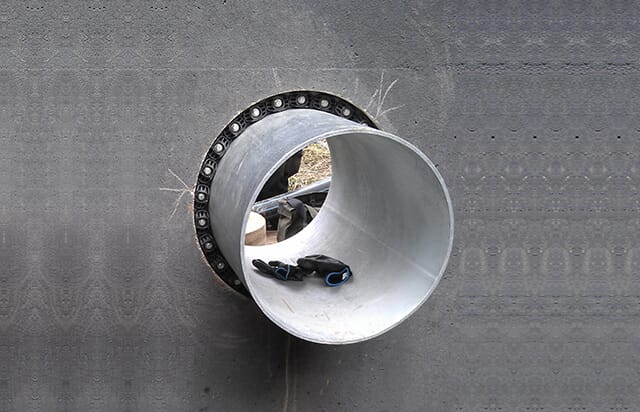
Los sellos de eslabones —también conocidos como sellos de eslabones modulares o sellos mecánicos para tuberías— están diseñados para crear un sellado hermético entre una tubería y la pared por la que pasa. Comúnmente utilizados como sellos de penetración de pared, evitan el paso de agua, gas y escombros a través de estas aberturas.
Cada sello está compuesto por eslabones de goma entrelazados que se aprietan para formar un sello de compresión uniforme alrededor de la tubería. Este diseño permite flexibilidad al tiempo que mantiene una barrera consistente y confiable, incluso bajo presión.
Protección estanca al agua y al gas
Una de las funciones principales de los sellos de conexión es proporcionar sellos herméticos al agua y al gas en entornos críticos. Ya sea instalados en bóvedas subterráneas, estaciones de bombeo o entradas de edificios, estos sellos actúan como la primera línea de defensa contra fugas y contaminación.
Sin sistemas de sellado adecuados para tuberías, incluso las brechas menores pueden generar:
- Infiltración de agua y daños estructurales
- Fugas de gas y riesgos de seguridad
- Contaminación del suelo o del agua subterránea circundante
- Aumento de los costos de mantenimiento y reparación
Las soluciones confiables para el sellado de tuberías ayudan a eliminar estos riesgos y garantizan el cumplimiento de las normas de seguridad.
Diseñado para entornos hostiles
Los ductos a menudo están expuestos a condiciones extremas, desde temperaturas bajo cero hasta suelos corrosivos y sistemas de alta presión. Los sistemas de sellado industrial de alta calidad se fabrican con materiales duraderos como caucho EPDM o nitrilo, que son resistentes a:
- Exposición química
- Degradación por rayos UV y ozono
- Fluctuaciones de temperatura
- Estrés mecánico
Elegir los sellos de unión de EPDM adecuados garantiza un rendimiento duradero, incluso en las aplicaciones más exigentes.
Flexibilidad en todas las aplicaciones
No hay dos proyectos de tubería que sean exactamente iguales. Es por eso que los sellos modulares de enlace están diseñados para adaptarse a una amplia gama de tamaños, materiales y configuraciones de tubería. Su diseño adaptable permite que se utilicen en:
- Tuberías de acero y PVC
- Perforaciones en muros de concreto
- Sistemas de servicios públicos subterráneos
- Instalaciones de procesamiento industrial
Esta versatilidad los convierte en un componente clave en las soluciones modernas de integridad de tuberías.
Fácil instalación y mantenimiento
Otra gran ventaja de los sellos de unión es su facilidad de instalación. A diferencia de los métodos de sellado tradicionales, los sellos mecánicos para tuberías no requieren herramientas especializadas ni procedimientos complejos. Una vez instalados, proporcionan un sellado seguro y duradero con un mantenimiento mínimo.
Las inspecciones de rutina se pueden realizar rápidamente, asegurando que los sellos de la pared de su tubería continúen funcionando según lo esperado con el tiempo.
Mantenimiento de la integridad general del ducto
Los sellos para uniones pueden parecer una parte pequeña de tu sistema, pero su impacto es significativo. Los sellos efectivos para tuberías subterráneas contribuyen directamente a:
- Riesgos de fuga reducidos
- Eficiencia mejorada del sistema
- Menor costo de mantenimiento
- Protección ambiental mejorada
En resumen, desempeñan un papel crucial en el mantenimiento de la integridad y confiabilidad de toda su red de tuberías.
Conclusión
En cualquier sistema de tuberías, la importancia de un sellado adecuado no se puede subestimar. Los sellos de conexión de alta calidad brindan la durabilidad, flexibilidad y el rendimiento necesarios para proteger su infraestructura y garantizar una operación segura.
Como parte de un enfoque integral para el equipamiento de tuberías, invertir en sellos de acoplamiento confiables es una decisión inteligente y rentable que se amortiza a largo plazo.
Si buscas soluciones de sellado confiables y adaptadas a tu aplicación, elegir al proveedor adecuado y las especificaciones correctas del producto es clave para obtener el rendimiento que necesitas.
 Spanish
  English
  French