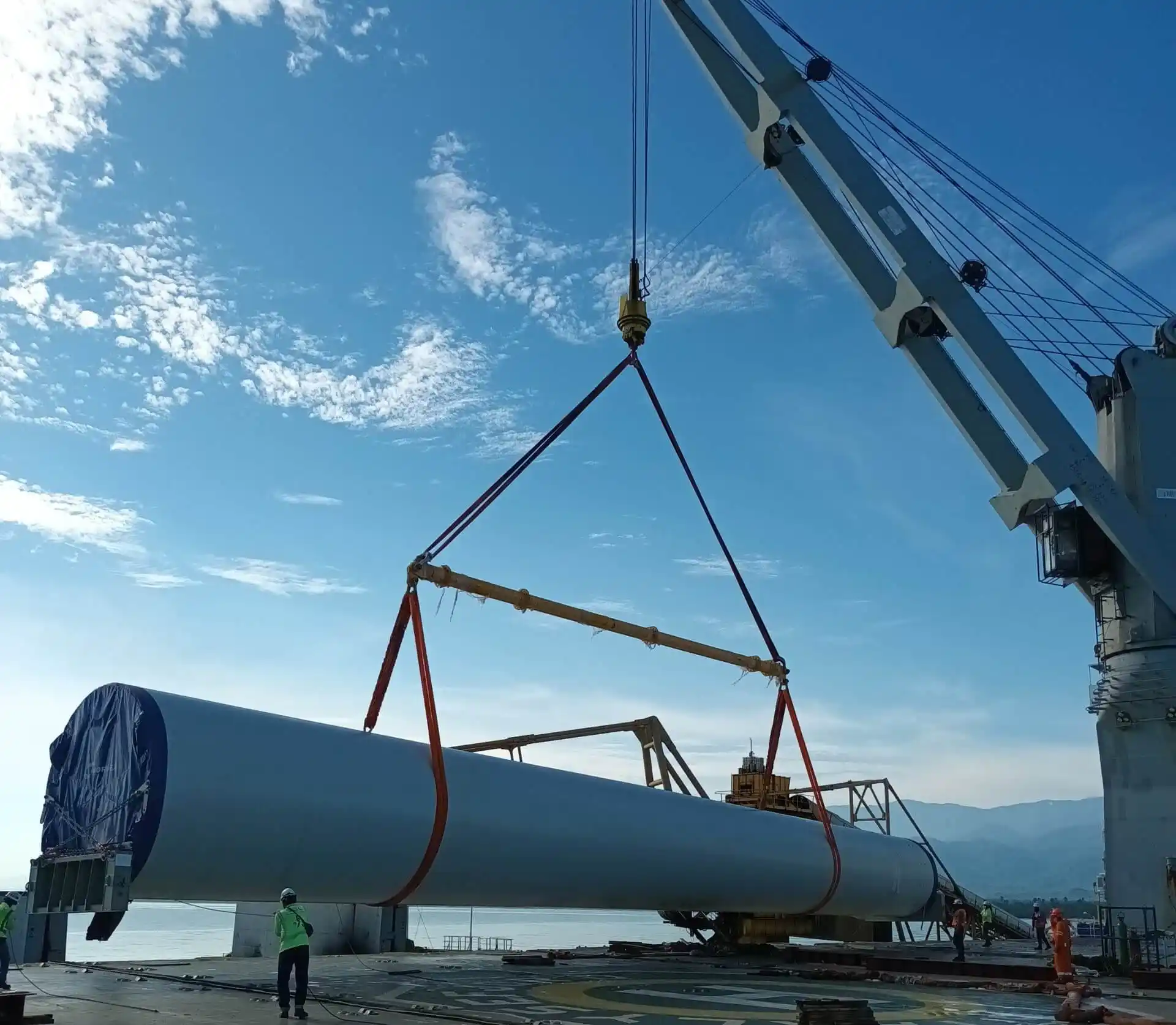
Dans les opérations de levage et de gréage, la sécurité, l'équilibre et le contrôle de la charge sont essentiels. Un outil essentiel utilisé dans les projets de construction, de fabrication et de pipelines est le barre d'écartement. Dans le cadre moderne matériel de pipeline, les barres de répartition jouent un rôle clé dans la répartition uniforme des charges et la prévention des dommages pendant les opérations de levage.
Qu'est-ce qu'une barre d'écartement ?
Une barre d'écartement est un dispositif de levage conçu pour maintenir les élingues à une distance fixe tout en répartissant la charge sur plusieurs points de levage. Contrairement aux barres de levage, les barres d'écartement subissent principalement des forces de compression plutôt que de flexion, ce qui les rend idéales pour des applications spécifiques impliquant des charges longues ou délicates telles que des tuyaux.
Pourquoi les barres de levage sont-elles importantes dans l'équipement de pipeline
Lors de la manipulation de longs tronçons de tuyaux, une mauvaise manutention peut entraîner :
- Pliage de tuyaux ou déformation
- Dommages de revêtement
- Chargement instable
Les barres de répartition éliminent ces risques en maintenant un espacement adéquat entre les élingues et en assurant une répartition uniforme du poids, ce qui en fait un composant essentiel de l'équipement de pipeline.
Usages courants
Les barres de séchage sont largement utilisées dans :
- Construction et installation de pipelines
- Manutention et stockage de tuyauteries
- Levage de structures métalliques
- Ateliers de chaudronnerie lourde
- Assemblage modulaire et industriel
Dans les environnements de pipeline, ils sont souvent utilisés parallèlement aux élingues, aux manilles et aux grues pour déplacer en toute sécurité des tuyaux de grand diamètre.
Types de barres d'écartement
Barres d'écartement fixes
Conçu pour les tâches de levage répétitives où les dimensions de la charge restent constantes.
Barres écartement réglables
Permettez aux utilisateurs de modifier la longueur de l'écartement, ce qui les rend polyvalents pour différentes tailles et configurations de tuyaux.
Barres de répartition modulaires
Conçus pour les levages lourds et complexes, ces systèmes peuvent être configurés pour des charges extrêmement grandes ou lourdes.
Directives de sécurité clés
Lorsque vous utilisez des barres de traction dans le cadre de l'installation de votre équipement de pipeline :
- Toujours vérifier les capacités de charge avant de soulever
- Inspecter pour dommages structurels, fissures, ou usure
- Assurer des angles de lingage corrects pour éviter un stress excessif
- Utiliser des composants d'arrimage certifiés
- Agents de trains correctement sur les procédures de levage
Le non-respect de ces directives peut entraîner de graves dangers pour la sécurité et des dommages coûteux à l'équipement.
Meilleures pratiques pour maximiser l'efficacité
- Correspondre la longueur de la barre d'écartement à la taille de la charge
- Utiliser un rembourrage protecteur pour éviter d'endommager le revêtement de la tuyauterie
- Rangez correctement le matériel pour éviter la corrosion ou l'usure
- Planifiez des inspections de routine dans le cadre de votre plan de maintenance
Dernières réflexions
Les barres d'écartement sont un équipement de pipeline simple mais essentiel qui améliore considérablement la sécurité et l'efficacité du levage. En choisissant le bon type et en suivant les procédures appropriées, les entreprises peuvent réduire les risques, protéger les matériaux et améliorer la productivité globale.
 French
  English
  Spanish