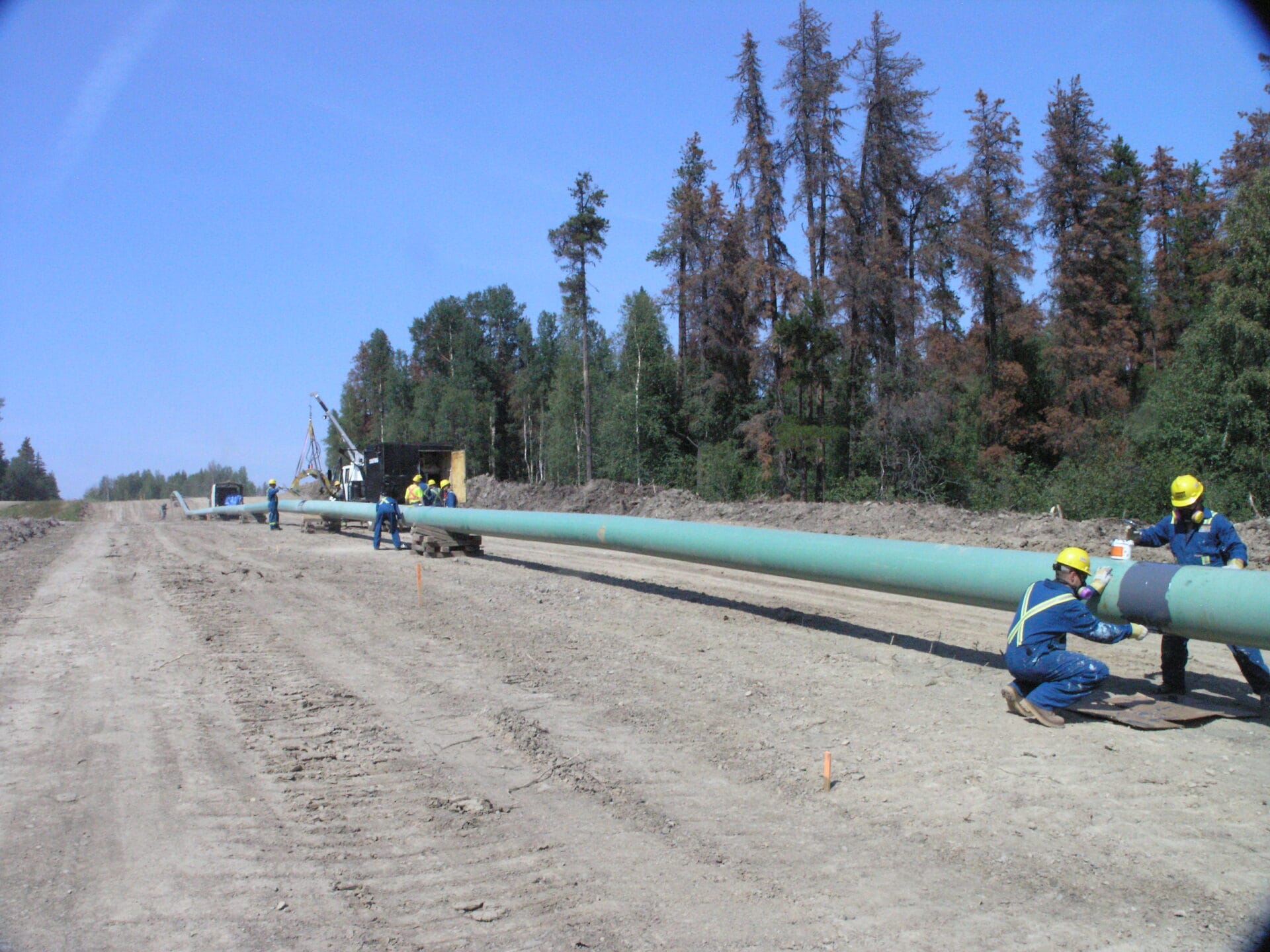
Les revêtements de pipeline jouent un rôle essentiel dans la protection des conduites en acier contre la corrosion, l'exposition environnementale et la détérioration à long terme. Bien que les systèmes de revêtement modernes offrent une excellente protection pendant le transport, le stockage et l'exploitation, des dommages peuvent survenir pendant la manutention, l'installation, le soudage et les activités de construction. De plus, chaque raccord soudé crée un joint de champ qui nécessite un traitement de revêtement spécial avant que le pipeline puisse être mis en service.
Des procédures appropriées de revêtement des joints de champ et de réparation des revêtements de tuyaux sont essentielles pour maintenir l'intégrité du pipeline et prolonger sa durée de vie. Dans ce guide, nous explorerons pourquoi les revêtements sont importants, les causes courantes de dommages aux revêtements, les méthodes de réparation sur le terrain et les meilleures pratiques pour protéger les pipelines sur le terrain.
Pourquoi les revêtements de canalisation sont importants
Les pipelines en acier sont constamment exposés à l'humidité, aux produits chimiques du sol, aux sels, aux variations de température et à d'autres conditions environnementales qui peuvent causer de la corrosion. Les systèmes de revêtement protecteur servent de barrière entre la surface de l'acier et ces éléments corrosifs.
Un pipeline correctement revêtu offre plusieurs avantages :
- Réduction du risque de corrosion et de défaillance du revêtement
- Durée de vie prolongée du pipeline
- Coûts d'entretien et de réparation réduits
- Fiabilité opérationnelle améliorée
- Conformité aux normes de l'industrie et aux spécifications du projet
Même de petites zones de dommages de revêtement peuvent devenir des points d'amorçage de corrosion si elles ne sont pas réparées correctement.
Causes courantes de dommages au revêtement de pipeline
Lors de la construction de pipelines, les revêtements peuvent être exposés à divers dangers. Parmi les causes de dommages les plus courantes, on trouve :
Manutention et transport
Les tuyaux sont fréquemment chargés, déchargés, empilés et transportés sur de longues distances. Des méthodes de levage inappropriées, un rembourrage inadéquat ou un contact avec des surfaces dures peuvent entraîner des rayures, des entailles ou un décollement du revêtement.
Activités de Construction
Lors des opérations de matage, de cintrage, de soudage et de mise en place, les revêtements peuvent entrer en contact avec des rochers, des équipements, des dispositifs de levage ou d'autres surfaces abrasives.
Opérations de soudage sur le terrain
Avant que deux sections de tuyau puissent être soudées ensemble, une partie du revêtement appliqué en usine doit être retirée de chaque extrémité de tuyau. Cela laisse de l'acier exposé autour de la zone de soudure qui nécessite un système de revêtement appliqué sur le terrain après la fin de la soudure.
Exposition environnementale
Des périodes de stockage prolongées, l'exposition aux UV, des températures extrêmes et l'humidité peuvent contribuer à la dégradation du revêtement si les matériaux ne sont pas correctement protégés.
Qu'est-ce qu'un joint de champ ?
Un joint de soudure est la section de tuyau où deux segments de tuyau sont soudés ensemble pendant la construction. Étant donné que les revêtements appliqués en usine sont retirés des extrémités du tuyau avant le soudage, la zone de soudure terminée reste non protégée jusqu'à ce qu'un revêtement de joint de soudure soit appliqué.
Les joints de chantier sont souvent considérés comme l'une des zones les plus critiques de la canalisation car ils doivent assurer une protection contre la corrosion équivalente au revêtement d'origine d'usine tout en étant appliqués dans des conditions de chantier.
Un système de revêtement de joint de soudure performant doit :
- Adhérer à la surface de l'acier et au revêtement existant
- Résister à la pénétration d'humidité
- Résister aux intempéries
- Tolérer les températures de fonctionnement
- Respecter les spécifications du projet et les normes applicables
Systèmes de revêtement de joints de champ courants
Plusieurs technologies de revêtement sont couramment utilisées pour les applications de joints de raccordement. La sélection dépend du système de revêtement du pipeline, des conditions d'exploitation, des exigences du projet et des facteurs environnementaux.
Manchons thermorétractables
Les manchons thermorétractables sont largement utilisés dans la construction de pipelines en raison de leur facilité d'installation et de leurs performances éprouvées.
Le manchon est positionné sur le joint de raccord et chauffé, ce qui le fait rétrécir hermétiquement autour du tuyau, tandis qu'une couche adhésive adhère à l'acier et au revêtement adjacent.
Les avantages comprennent :
- Installation rapide
- Application cohérente
- Bonne résistance à l'humidité
- Compatibilité avec de nombreux systèmes de revêtement de pipeline
Revêtements époxy liquides
Les revêtements époxy liquides sont couramment utilisés pour les réparations de revêtements et les joints de terrain où une solution appliquée au pinceau, au rouleau ou par pulvérisation est préférée.
Les avantages incluent :
- Excellente adhérence
- Protection anticorrosion renforcée
- Capacité à revêtir des géométries irrégulières
- Convient pour des réparations de tailles variées
Revêtements de polyuréthane
Les systèmes polyuréthanes offrent une excellente résistance à l'abrasion et une grande flexibilité. Ils sont souvent utilisés dans des environnements exigeants où la protection mécanique est importante.
Les avantages comprennent :
- Temps de durcissement rapides
- Haute résistance aux chocs
- Excellente durabilité
- Forte résistance environnementale
Réparations de FBE (Époxy Fusionné à Chaud)
Lorsque les pipelines utilisent des revêtements FBE appliqués en usine, des matériaux de réparation spécialisés peuvent être utilisés pour restaurer les zones endommagées et maintenir la continuité du revêtement.
Ces systèmes sont couramment choisis lorsque les spécifications du projet exigent une compatibilité avec les revêtements FBE existants.
Exigences de préparation de surface
Aucun système de revêtement ne peut être performant si la préparation de surface est inadéquate.
La préparation de surface est souvent considérée comme l'étape la plus importante du processus de réparation des revêtements.
Les procédures de préparation typiques comprennent :
Nettoyage
La zone de réparation doit être exempte de :
- Terre
- Poussière
- Huile
- Graisse
- Humidité
- Contaminants
Retrait d'un revêtement endommagé
Le revêtement décollé ou endommagé doit être retiré jusqu'à ce qu'il ne reste que du matériau sain et bien adhérent.
Profilage de surface
Selon le système de revêtement, un décapage par projection ou une préparation mécanique peut être nécessaire pour créer le profil de surface approprié à l'adhérence du revêtement.
Préchauffage
Certains systèmes de revêtement nécessitent un préchauffage de la surface de l'acier pour obtenir des caractéristiques de durcissement et de liaison appropriées.
Respectez toujours les recommandations du fabricant de revêtement et les spécifications du projet.
Le procédé de réparation de revêtement de tuyau
Bien que les procédures varient selon le système de revêtement, le processus de réparation général suit généralement ces étapes :
Étape 1 : Inspecter les dommages
Évaluer la taille, la profondeur et l'emplacement de la zone endommagée.
Étape 2 : Préparer la surface
Éliminer les contaminants, le revêtement endommagé et les produits de corrosion.
Étape 3 : Vérifier les conditions de surface
Confirmer la propreté, les exigences du profil et les conditions environnementales.
Étape 4 : Appliquer le matériau de réparation
Installer le système de réparation de revêtement sélectionné selon les directives du fabricant.
Étape 5 : Laisser le temps de durcissement approprié
Assurez-vous que le revêtement a complètement durci avant que les opérations de manipulation, de mise en place ou de remblaiement ne commencent.
Étape 6 : Effectuer l'inspection et les tests
Effectuer des inspections de contrôle qualité pour vérifier l'intégrité du revêtement.
Inspection et contrôle qualité
L'inspection est essentielle pour garantir que les zones réparées et les joints de terrain offrent le niveau de protection requis.
Les méthodes d'inspection courantes comprennent :
Inspection visuelle
Les inspecteurs vérifient :
- Couverture complète
- Recouvrement approprié
- Absence de défauts
- État de surface
Mesures d'épaisseur
L'épaisseur du revêtement est mesurée pour confirmer la conformité aux exigences du projet.
Détection des vacances
Les tests de contrôle d'étanchéité permettent d'identifier les trous d'épingle, les vides ou les discontinuités qui pourraient exposer la surface de l'acier à la corrosion.
Tests d'adhérence
Certains projets nécessitent des tests d'adhérence pour vérifier que le système de revêtement est correctement lié au substrat.
Erreurs courantes à éviter
Plusieurs erreurs courantes peuvent compromettre les performances du revêtement et entraîner une défaillance prématurée.
Parmi ceux-ci :
- Préparation inadéquate de la surface
- L'application de revêtements en dehors des plages de température recommandées
- Délais de durcissement inappropriés
- Épaisseur de revêtement insuffisante
- Manque d'enlèvement des contaminants
- Mauvais recouvrement sur les revêtements existants
- Sauter les procédures d'inspection
Éviter ces problèmes peut considérablement améliorer les performances du revêtement et la fiabilité à long terme des pipelines.
Choisir la bonne solution de réparation de revêtement
La sélection du système de réparation approprié dépend de plusieurs facteurs, notamment :
- Type de revêtement de pipeline existant
- Température de fonctionnement
- Conditions environnementales
- Spécifications du projet
- Taille et emplacement de la réparation
- Exigences d'installation
Aucun système de revêtement unique n'est idéal pour toutes les applications. Les ingénieurs de projet, les fabricants de revêtements et les entrepreneurs en construction devraient travailler ensemble pour déterminer la solution la plus appropriée pour chaque projet.
Conclusion
Le revêtement de joint et la réparation du revêtement de tuyau sont des éléments essentiels de la construction et de l'entretien des pipelines. Des revêtements correctement réparés aident à prévenir la corrosion, à prolonger la durée de vie des pipelines et à protéger des infrastructures précieuses contre des défaillances coûteuses.
Que l'on utilise des manchons thermorétractables, des époxydes liquides, des systèmes polyuréthanes ou des matériaux de réparation spécialisés, le succès dépend d'une préparation de surface adéquate, de procédures d'application correctes et d'inspections de contrôle qualité approfondies.
En suivant les meilleures pratiques de l'industrie et en sélectionnant les méthodes de réparation appropriées, les opérateurs et les entrepreneurs de pipelines peuvent assurer la performance à long terme des revêtements et maintenir l'intégrité de leurs systèmes de pipelines pendant des années.
 French
  English
  Spanish