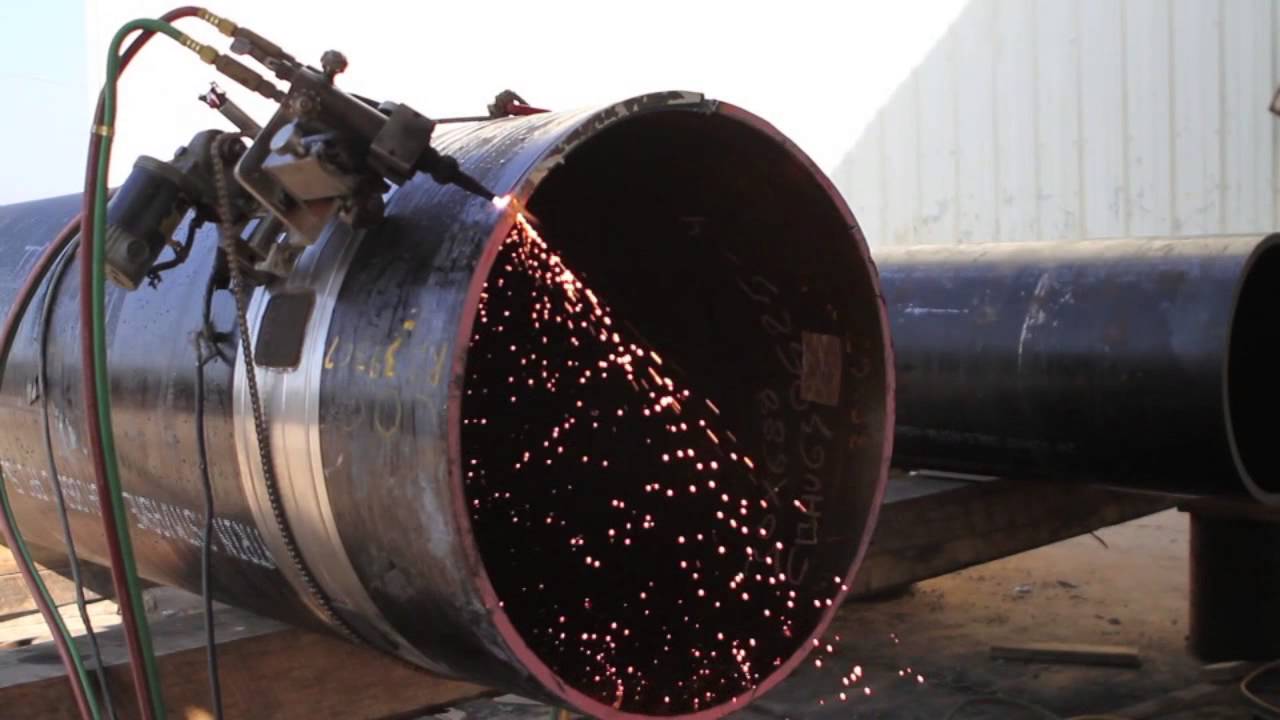
Les machines à chanfreiner les tuyaux sont essentielles dans la fabrication de pipelines et les opérations de soudage sur site. Que ce soit pour préparer un tuyau en vue d'un soudage, d'un travail de réparation ou de fabrication, ces machines jouent un rôle majeur dans l'obtention d'une préparation de soudure précise et le maintien de la productivité sur le chantier.
Mais comme tout équipement industriel à forte utilisation, les chanfreineuses nécessitent un entretien approprié pour fonctionner de manière fiable au fil du temps. Un entretien inadéquat peut entraîner des chanfreins incohérents, une usure excessive, des pannes inattendues et des retards coûteux dans les projets.
Une routine de maintenance cohérente aide à prolonger la durée de vie de l'équipement, à réduire les temps d'arrêt et à maintenir l'efficacité des opérations.
Pourquoi l'entretien d'une machine à chanfreiner est important
Les machines à chanfreiner les tuyaux fonctionnent dans des environnements exigeants. La saleté, les copeaux de métal, l'humidité, les vibrations et une utilisation quotidienne intensive contribuent tous à l'usure au fil du temps.
Sans entretien régulier, les problèmes courants peuvent inclure :
- Précision de coupe réduite
- Vibrations excessives pendant le fonctionnement
- Usure prématurée de l'outil
- Pannes hydrauliques ou de moteur
- Augmentation des coûts de réparation
- Pannes imprévues sur le terrain
Pour les entreprises de pipelines, les temps d'arrêt pendant la préparation des soudures peuvent rapidement avoir un impact sur les calendriers de production et les coûts de main-d'œuvre.
Gardez la machine propre après chaque utilisation
L'une des pratiques de maintenance les plus simples—et les plus importantes—est le nettoyage de la machine après son utilisation.
Les copeaux de métal, la poussière de meulage et les débris peuvent s'accumuler autour de :
- Systèmes d'entraînement
- Roulements
- Porte-outils
- Composants de serrage
- Lanterneaux et moteurs
Si des débris restent à l'intérieur de la machine, cela peut causer une usure prématurée et affecter les performances.
Les meilleures pratiques comprennent :
- Utiliser l'air comprimé avec précaution pour enlever les copeaux
- Nettoyer les surfaces exposées après utilisation
- Nettoyage des zones de serrage pour maintenir une bonne adhérence
- Garder les ouvertures de ventilation exemptes d'accumulation de poussière
Un nettoyage régulier permet également d'identifier plus facilement les composants usés ou endommagés avant qu'ils ne deviennent des problèmes majeurs.
Inspecter régulièrement les outils de coupe
Les plaquettes de coupe et les fraises à chanfreiner subissent le plus de contraintes pendant le fonctionnement. Des outils émoussés ou endommagés réduisent la qualité du chanfrein et exercent une pression inutile sur la machine.
Les signes indiquant que l'outillage doit être remplacé sont les suivants :
- Biseaux de finition rugueux ou irréguliers
- Vibrations accrues
- Performances de coupe plus lentes
- Chaleur excessive pendant le fonctionnement
- Bords de coupe ébréchés ou usés
L'utilisation d'outils usés affecte non seulement la qualité de la préparation avant soudage, mais peut également réduire la durée de vie de la machine elle-même.
L'entretien d'outils de coupe bien aiguisés améliore :
- Efficacité de coupe
- Qualité de finition de surface
- Contrôle de l'opérateur
- Durée de vie globale de la machine
Lubrifier les pièces mobiles
Une lubrification adéquate est essentielle pour réduire la friction et l'usure des pièces mobiles.
Selon le type de machine, les points de lubrification peuvent inclure :
- Roulements
- Mécanismes d'alimentation
- Assemblages d'engrenages
- Glissières
- Composants rotatifs
Suivez toujours les recommandations du fabricant pour :
- Intervalles de graissage
- Graisse ou type d'huile
- Montants des applications
Un surplus de lubrification peut attirer les débris, tandis qu'une lubrification insuffisante accélère l'usure.
Un calendrier de lubrification cohérent aide à prévenir :
- Surchauffe
- Composants saisis
- Vibration excessive
- Défaillance prématurée d'un roulement
Surveillance de l'état du système de bridage
Les machines à chanfreiner les tuyaux s'appuient sur un serrage sécurisé pour maintenir une géométrie de chanfreinage précise.
Des éléments de serrage usés ou endommagés peuvent entraîner :
- Mouvement de la tuyauterie pendant la coupe
- Angles de chanfrein irréguliers
- Mauvaise préparation de soudure incohérente
- Risques accrus pour la sécurité des opérateurs
Inspectez régulièrement les systèmes de serrage pour :
- Mâchoires fendues ou usées
- Fuites hydrauliques
- Fixations desserrées
- Pression de serrage irrégulière
Un serrage stable améliore la précision et les performances de la machine.
Vérifier les composants électriques et hydrauliques
Pour les machines à chanfreiner hydrauliques et électriques, les inspections de routine sont essentielles.
Composants électriques
Inspecter pour :
- Câbles endommagés
- Connexions lâches
- Moteurs surchauffés
- Interrupteurs ou commandes usés
Composants hydrauliques
Vérifier pour :
- Fuites dans les tuyaux ou les raccords
- Niveau de liquide bas
- Fluide hydraulique contaminé
- Pression de fonctionnement irrégulière
Attraper les petits problèmes tôt aide à prévenir les défaillances majeures sur le terrain.
Ranger l'équipement correctement
Un stockage inapproprié est une cause majeure de détérioration prématurée des équipements.
Lorsque les chanfreineuses ne sont pas utilisées :
- Conservez-les dans un endroit sec et protégé
- Éloignez les machines de l'humidité excessive et de la saleté
- Protégez les surfaces métalliques exposées de la corrosion
- Utilisez des étuis ou des housses de protection lors du transport de matériel
Le stockage approprié est particulièrement important dans les environnements de pipelines où l'équipement est exposé à des conditions météorologiques changeantes.
Opérateurs de train sur l'utilisation appropriée
Même le meilleur programme de maintenance ne peut pas compenser une mauvaise utilisation.
Erreurs de l'opérateur telles que :
- Couper trop agressivement
- Outils émoussés
- Serrage incorrect
- Utilisation de vitesses ou de avances incorrectes
peuvent réduire considérablement la durée de vie des machines.
La formation de base des opérateurs améliore :
- Fiabilité de l'équipement
- Cohérence de coupe
- Sécurité au travail
- Conscience de la maintenance
Les équipages bien formés identifient également les problèmes potentiels plus tôt, avant que des réparations majeures ne soient nécessaires.
Planifier la maintenance préventive au lieu d'attendre la panne
L'une des erreurs les plus coûteuses est d'attendre que le beveler tombe en panne avant de l'entretenir.
Les calendriers de maintenance préventive aident à :
- Réduire les réparations d'urgence
- Prolonger la durée de vie de l'équipement
- Améliorer la productivité du chantier
- Réduire les coûts d'exploitation à long terme
Les inspections et l'entretien de routine sont beaucoup moins coûteux que les arrêts imprévus pendant les travaux actifs sur les pipelines.
Dernières réflexions
Les machines de chanfreinage de tuyaux sont un élément essentiel des opérations de soudage et de fabrication de pipelines. Un entretien adéquat protège non seulement l'investissement en équipement, mais améliore également la productivité, la qualité de la préparation des soudures et la fiabilité sur le chantier.
En se concentrant sur:
- Nettoyage régulier
- Inspection des outils
- Lubrification appropriée
- Maintenance du système de serrage
- Entretien préventif
les entrepreneurs peuvent prolonger considérablement la durée de vie de leur équipement de chanfreinage tout en réduisant les temps d'arrêt et les coûts de réparation.
Dans la construction de pipelines, un équipement fiable commence par une maintenance constante.
 French
  English
  Spanish